
CONTROL Resonant Game Engine: Northlight, Path Tracing and DLSS
CONTROL Resonant runs on Northlight, Remedy's in-house engine. The same technology powered the original Control and Alan Wake 2, but Remedy rebuilt.

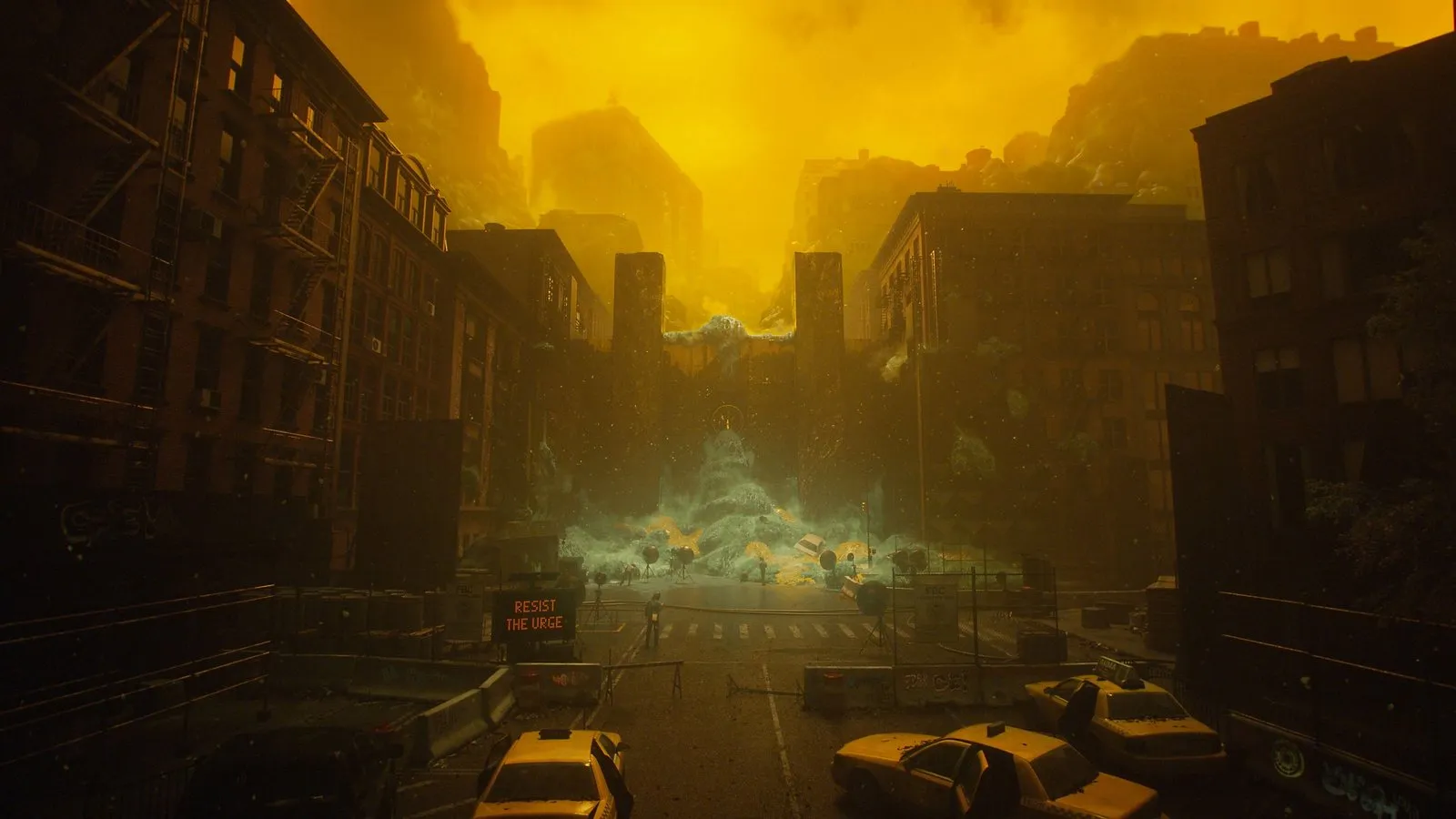
CONTROL Resonant runs on Northlight, Remedy’s in-house engine. The same technology powered the original Control and Alan Wake 2, but Remedy rebuilt its rendering pipeline along the way, and this game is where that work meets an outdoor city for the first time.
What Northlight does differently now
From Alan Wake 2 onward, Remedy reoriented Northlight towards GPU-driven rendering. Two changes matter most: mesh shaders, which let the GPU process geometry more efficiently, and single-pixel occlusion culling, which avoids drawing geometry that is hidden. Together they are what let the engine push high geometric detail without the CPU becoming the bottleneck.
Path tracing, RTX Mega Geometry and DLSS 4.5
CONTROL Resonant supports path tracing on PC, developed with Nvidia, and it ships with Nvidia’s RTX Mega Geometry system. In plain terms:
- Path tracing simulates how light actually bounces around a scene, which produces more consistent reflections and indirect lighting than older techniques, especially in spaces with a lot of different materials.
- RTX Mega Geometry speeds up the bookkeeping that ray tracing needs for complex geometry. It uses nested cluster triangles — Cluster-Level Acceleration Structures — instead of the low-resolution stand-ins that ray tracing normally uses. When level of detail changes, only the affected clusters are rebuilt, which cuts CPU overhead.
- DLSS 4.5 handles upscaling so the heavy lighting work can happen at a lower internal resolution.
You will also want a recent graphics driver: Nvidia’s 617.14 release added support for the game.
Why moving outdoors changed the trade-offs
The original Control took place almost entirely indoors, inside the Oldest House, surrounded by reflective brutalist surfaces. CONTROL Resonant moves into open Manhattan, where materials are more diffuse and sight lines are far longer.
That swap changes what the engine has to spend its budget on. Long views mean distant geometry and background assets need level-of-detail handling; diffuse surfaces mean the visual payoff of expensive lighting shifts from mirror-like reflections to softer, more physical light. In practice, Remedy traded some of the first game’s tight, controlled interiors for scale.
Turning the features on, and what to turn down
Path tracing and DLSS are exposed in the PC graphics settings, and both need RTX-class hardware to be worth enabling. Reported ray-tracing requirements climb to an RTX 4070 Ti or RX 9070 for 1440p at 60 frames per second, which is a big jump over the non-ray-traced recommendation of an RTX 3060 Ti.
If the frame rate drops, change things in this order: switch ray tracing off, then lower volumetric fog and shadows, then move DLSS to a balanced preset. Reviewers on high-end cards reported that ray tracing was the single largest cost, and that the game still looks strong without it.
How it actually performs
Official early statements targeted 60 frames per second across platforms. In practice, reviewers reported solid performance with occasional dips in specific indoor areas and during large simultaneous fights, and Steam still lists Steam Deck compatibility as Unknown, with handheld testing showing frame rates in the twenties during open-city traversal.
Related pages
- PC requirements lists the hardware each tier needs.
- Reviews covers how critics rated the technical side.