
Is CONTROL Resonant Open World? Scope, Structure and Price
No, CONTROL Resonant is not an open-world game in the usual sense. Remedy describes it as open-ended: Manhattan is split into several large, distinct.
No, CONTROL Resonant is not an open-world game in the usual sense. Remedy describes it as open-ended: Manhattan is split into several large, distinct zones that connect through tunnels and corridors rather than forming one continuous map. You can tackle side content inside a zone in almost any order, but you cannot walk from one end of the city to the other without a transition.
What Remedy actually calls it
The distinction is worth taking literally. Game director Mikael Kasurinen has described each Control game as a different lens on the same world, and the gameplay team was explicit that Resonant is not an open world. Lead gameplay designer Sergey Mohov described the world as “large, distinct, and expansive zones filled with side activities, hidden encounters, and optional discoveries”. That is a claim about density, not size for its own sake.
Zones instead of one seamless map
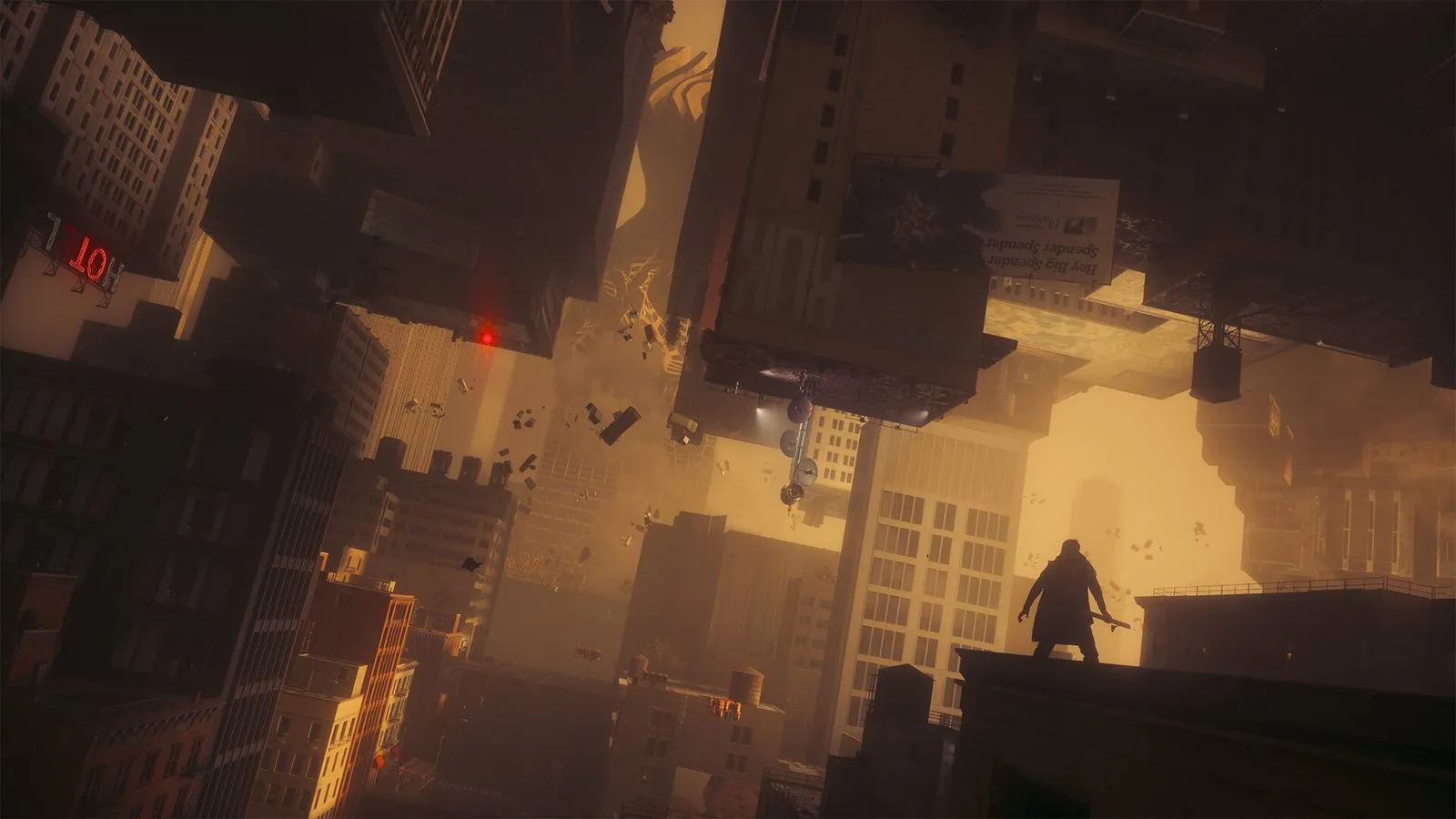
The zones each have their own visual identity and threat mix, including a Downtown stretch, the Park, an Evacuation Zone, an Underpass and incursion zones. Because they are separated, Remedy can reset them: clearing the major enemy in an area reworks the spawns around it, sometimes with harder or differently composed groups. That gives you a reason to revisit ground you have already covered, which a single seamless map rarely manages.
The trade-off shows up in the map screen. Multiple reviewers found it cluttered and hard to read, and getting turned around in the more elaborate interiors is a recurring complaint.
Is it a full sequel?
Yes, and it is a big one. CONTROL Resonant is the direct continuation of Control (2019). It is not a multiplayer spin-off along the lines of FBC: Firebreak, and it is not a shorter side story. You play Dylan Faden, Jesse’s brother, released from FBC containment into a Manhattan that is coming apart. The campaign carries the same FBC and Hiss continuity forward, and the game opens with a recap for players who skipped the original.
How long it takes, as a measure of scope
Remedy’s own estimate is around 30 hours for the core story and about 50 hours for a completionist run. Gameplay designer Sergey Mohov gave those figures, and the 30 hours already includes the recap. Reviewers landed in the same range: GameSpot reported 30 to 40 hours of story, and Skill Up logged about 45 hours with most side content done. For scale, the original Control’s main story is roughly 12 hours.
Why it costs 59.99 dollars
Remedy self-publishes CONTROL Resonant and bought the Control franchise rights back from 505 Games for 17 million euros in February 2024, which removes a publishing partner from the revenue split. The original Control also launched at 59.99 dollars. Remedy has never explained the pricing publicly, so read this as the structural explanation rather than a stated reason.
The price does tell you the positioning. This is a full-price, full-length sequel, priced below the 69.99 dollar that has become standard for the biggest releases. A 69.99 dollar Deluxe tier sits on top.
Does the structure suit you?
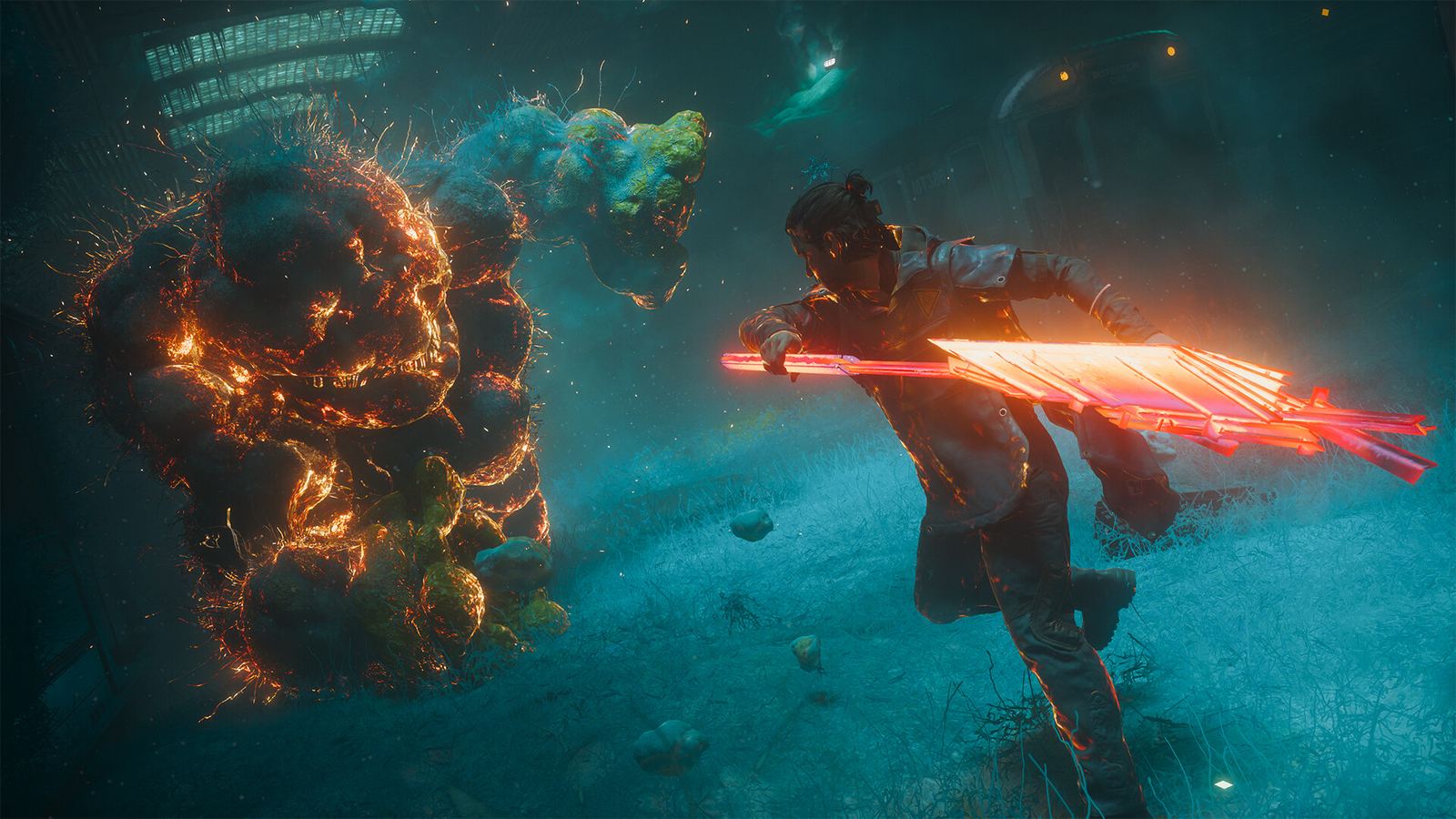
The zone model works well if you like dense, hand-built spaces with strong visual identity and are happy to fast-travel between districts. It suits you less if you want a single continuous wilderness to wander. The good news is that traversal is the star: gravity manipulation lets you run up walls and fight on ceilings, so moving through a zone rarely feels like filler.
Related pages
- Gameplay explains the combat systems in detail.
- Game length breaks down the hours.
- Editions and prices compares what each version costs.